
When farm knowledge lives in people’s heads or across multiple platforms, operations are exposed
Most farms run on memory, notebooks, spreadsheets, apps, and experience built up over years.
That works when the right people are present.
But when someone is sick, injured, off-farm, or unavailable, decisions slow, tasks are missed, and risk increases.
This isn’t a people problem.
It’s a systems problem.
Whether it’s your business model or your landscape, Ready to Adapt gives you the clarity and systems to move forward with confidence.
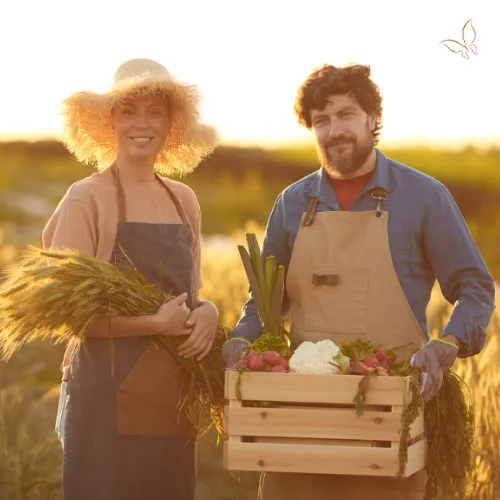
Risks for Farm Businesses
Not drought. Not markets.
People being unavailable.
Most farm businesses depend on one or two people knowing things like:
which pump to start to fill the cattle trough
why a particular paddock or yard isn’t being used right now
when stock were last drenched or moved
what was tried last season and why it didn’t work
where records live, if they exist at all
None of this feels formal.
It lives in habits, memory, and experience.
When those people are sick, injured, off-farm, or unavailable, that knowledge disappears from view.
Tasks get missed.
Mistakes get repeated.
Decisions are delayed or guessed.
This is where risk quietly builds.
Practical Systems for Resilient Farms
We help landholders reduce risk by making farm information visible, shared, and usable.
Clear systems so your farm doesn’t rely on memory or one person being present.
Land and paddock mapping
Tasks, records, and monitoring in one place
Farm Management Software Service setup & support
Tracking resources and key decisions
Informed by regenerative land management and long-term stewardship.
Working with Ready to Adapt

A practical, systems-first approach grounded in real farm operations.
We work alongside landholders to understand how their farm actually runs — not how it looks on paper.
That means taking the time to:
identify where critical knowledge currently lives
understand how decisions are really made day to day
design systems that fit existing workflows and people
We use proven tools and platforms to support this work, selected to fit the land, the operation, and the people involved — not to force change for the sake of it.
The systems stay consistent.
The way they’re applied adapts to each farm.
The goal is simple:
reduce reliance on memory and make the farm easier to run, even when life intervenes.
That means taking the time to:
identify where critical knowledge currently lives
understand how day-to-day decisions are really made
bring that information into clear, shared systems
We use proven tools and platforms to support this work, selected to fit the land, the operation, and the people involved — not to force change for the sake of it.
The systems stay consistent.
The way they’re applied adapts to each farm.
The goal is simple:
reduce reliance on memory and make the farm easier to run when life intervenes.
Why Most Farmers Stay Stuck
in Survival Mode?
It's not because
they don't work hard enough
It's because they've never honestly assessed where they stand across the four critical areas that determine farm success:
Behavioural Indicators
How you actually operate day-to-day
(not how you think you operate)
Mindset Indicators
How you think about your farm and its future
(this drives everything else)
Relationship Indicators
How connected you are to the people who can help you succeed
Business Indicators
How well you manage the business side of farming
(beyond just production)
Find Out Where Your Farm Business Really Stands
Most farmers assume
they know where they stand
But do you really?
The Farmers Who Transform Their Operations Do This First

The Farmers Who Transform Their Operations Do This First
They get brutally honest about their current reality
Not where they want to be.
Not where they think they should be.
Where they actually are right now.
This isn't about judgment.
It's about clarity
You can't improve what you don't measure.
You can't fix what you don't acknowledge.
You can't transform what you don't understand.
The most successful farmers start with an honest assessment of their current position
Are You Ready to See Where You Really Stand?
We've created a comprehensive assessment that reveals exactly
where your farm business stands across all four critical success areas
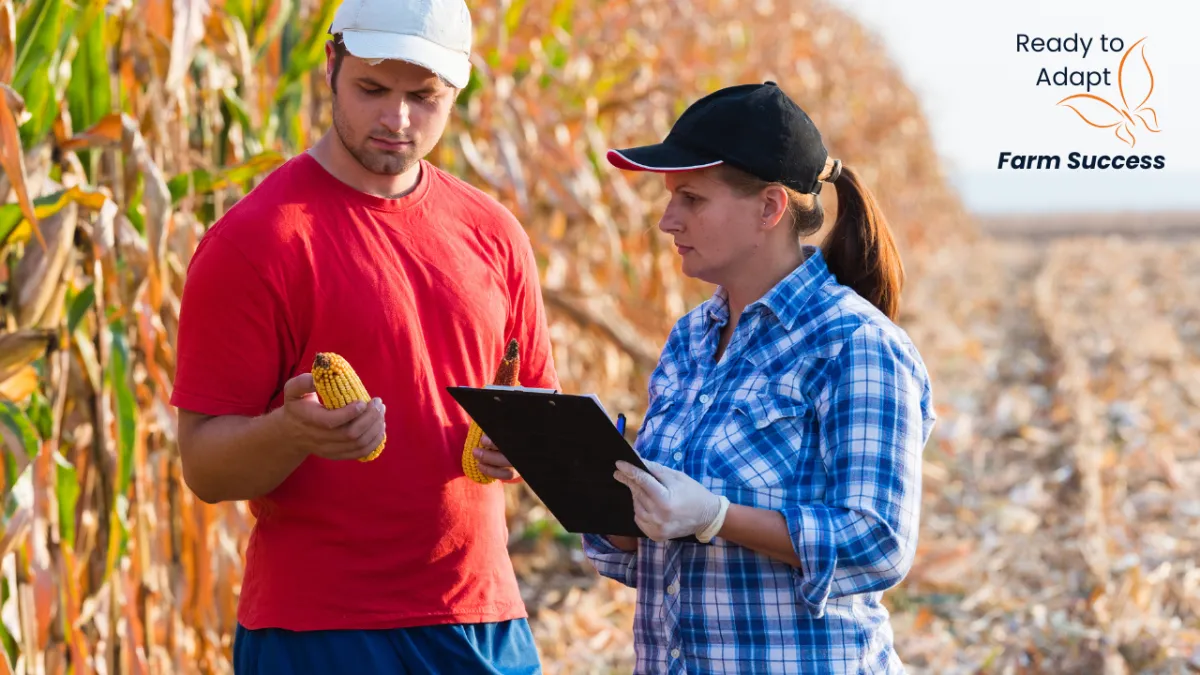
This is NO generic quiz
It's a strategic evaluation that shows you
Your current position compared to successful farm businesses
Specific areas that are holding you back
Hidden opportunities you may be missing
Your biggest priorities for transformation
Whether you're surviving or thriving
(and why)
The assessment takes less than 5 minutes
The insights could change your farming future
But Here's What Makes This Different
Most assessments tell you what you already know
This assessment reveals what you don't know, and what you needs attention
It's designed specifically for serious farm business owners
who want to understand exactly where they stand and what needs to change
No fluff. No generic advice.
Just clear insights about your specific situation
Two Types of Farmers Take This Assessment
Type 1: Those who want to confirm they're on the right track
And usually discover they're not as far along as they thought
Type 2: Those who suspect they're stuck but don't know why
And finally get the clarity they need to move forward
Both Types Get Exactly What They Need:
TRUTH
Ready to Discover Where Your Farm Really Stands?
Take the Farm Business Success Assessment and find out if you're surviving or thriving
No sales pitch. No need to share it with anyone. Just honest insights about your current reality
For serious farm business owners.
This assessment tells you the truth about where you stand—are you ready to hear it?
What Happens After You Know Where You Stand?
That's up to you!
Some farmers take the assessment, get their insights, and do nothing. They go back to managing chaos and wondering why nothing changes
Others use their assessment results as the foundation for real transformation
They understand that knowing where you stand is just the beginning
The real work is in moving from where you are
to where you want to be
Hear From the Farmers We’ve Helped

John M
Wheat Farmer NSW
Kym didn't just look at our systems - she considered our business goals, our family situation, and how everything works together. Her broad experience across different farming systems is exactly what we needed
Sarah T
Mixed Farming Operation VIC
I was skeptical about regenerative practices affecting our bottom line, but Kym showed us how to make the transition without risking our operation. We're now reducing input costs while improving our soil and have the systems to support it.

Michael R
Cattle Producer QLD
The comprehensive approach made all the difference. Instead of getting conflicting advice from different consultants, Kym helped us see how all the pieces fit together.
Our Partners



If you're serious about transformation
this assessment is your starting point
Less than 5 minutes to discover what's really holding your farm back from success
We're here to help you get there with
purpose
precision

proof
MEET THE FOUNDER & CEO
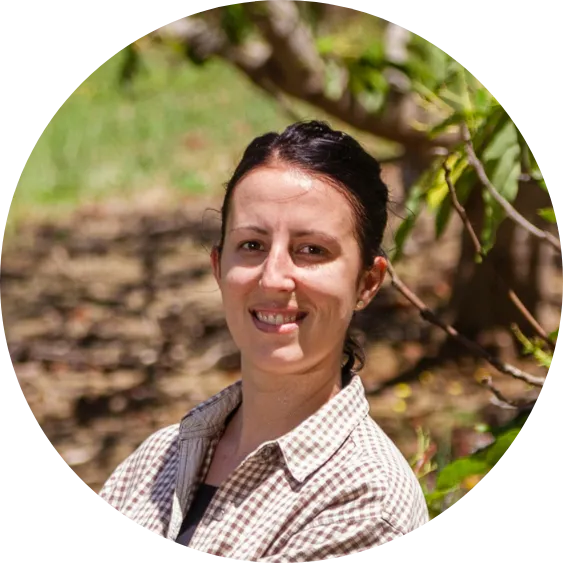
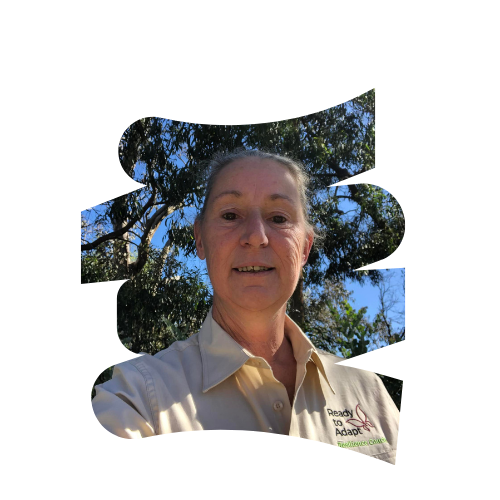
Hi, I'm Kym
Farm Success Coach
As a Farm Success Coach/Agroecologist and Accredited Accounting for Nature Expert, I've partnered with farmers across Australia to transform struggling operations into thriving, regenerative enterprises.
What I Believe:
- Your land wants to heal. So does your business.
- You don't need to farm harder, just smarter.
- Good systems create good decisions.
- Regeneration isn’t just about soil. It’s about people.
When you work with me, you don’t just get advice —
you get a partner who understands the whole picture.
Farm Success Coaching
For Legacy Builders
STILL NOT SURE?
Frequently Asked Questions
What does working with Ready to Adapt actually involve?
Working with Ready to Adapt focuses on putting clear, shared systems in place so your farm doesn’t rely on memory or one person being present. That usually includes mapping land and operations, bringing records and decisions into one place, and setting up systems that fit how your farm already runs. The work is practical, collaborative, and grounded in day-to-day operations.
Do I need ongoing support, or can I manage the systems myself?
Many landholders are able to manage the systems themselves once everything is set up properly.
In those cases, Ready to Adapt provides an initial setup of the software, along with a walkthrough to make sure the system reflects how the farm actually operates. From there, some people choose to take it on independently.
Others prefer ongoing support, where we work alongside the farm to help implement systems, keep them up to date, and adapt them as the operation changes over time.
Both options are available. The right approach depends on how hands-on you want to be and what support makes sense for your farm.
Is this suitable for small or family run farm business owners?
Absolutely! Yes. Smaller and family-run farms are often the most exposed to operational risk because so much knowledge lives in people’s heads. The work is scaled to suit the size and complexity of the operation and is designed to support real workflows without adding unnecessary admin.
How long does it take to see a difference?
Most farms notice a difference as soon as information is clearer and shared. Reduced confusion, fewer repeated decisions, and better visibility often show up quickly. Longer-term improvements develop as systems mature and become part of everyday operations and are used consistently over time.
COMPANY
CUSTOMER CARE
LEGAL
FOLLOW US


Copyright 2026. Ready to Adapt Pty Ltd. All Rights Reserved.